Building a Hardware Strategy for Kolkata’s Growing IT Workforce!!!
January 23rd, 2026
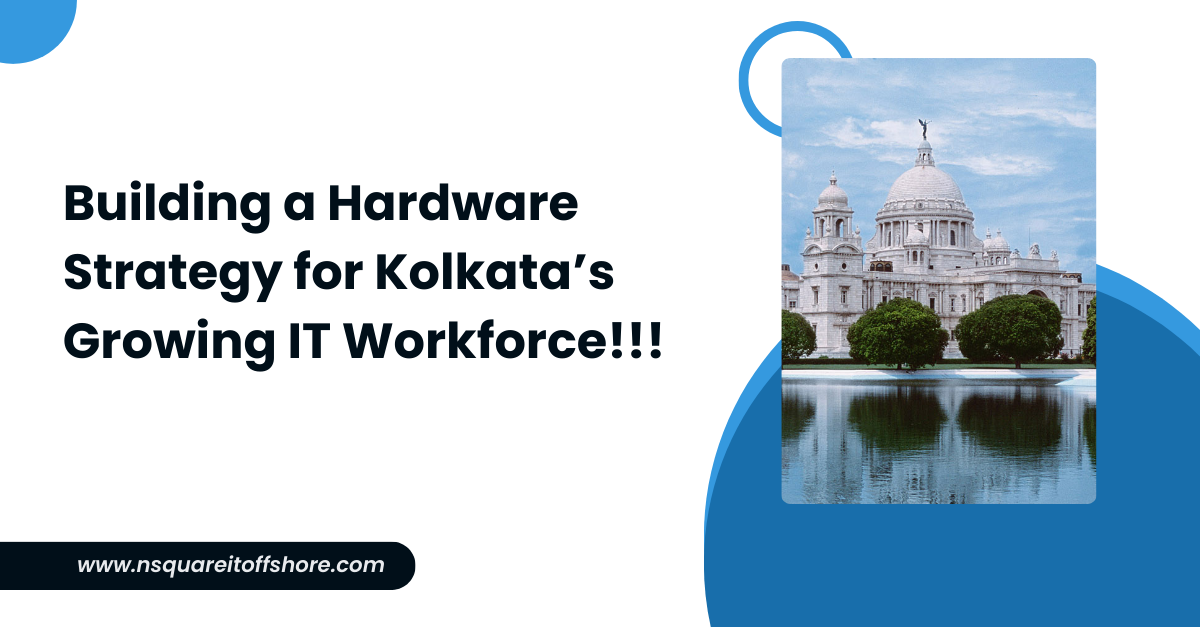
Kolkata is changing. The city’s heritage lanes and intellectual traditions are now blending with buzzing co-working spaces, global services teams, and a new generation of IT professionals. As offices rise in Salt Lake Sector V, New Town, and Park Street’s evolving commercial belt, one common operational challenge has emerged: building a sustainable, cost-effective, and future-ready hardware strategy.
Hardware isn’t just about laptops or monitors. It’s about enabling people to work better — whether they’re developers in a startup, analysts in a global service centre, or hybrid employees working from home, heritage flats, or shared spaces in the city. Crafting a solid strategy means thinking ahead, prioritising user experience, and aligning operational, financial, and technical goals.
This blog walks you through the latest trends, practical approaches, and key learnings to build an effective hardware strategy for Kolkata’s dynamic IT workforce.
Why Hardware Strategy Matters More Than You Think
In many organisations, hardware is still treated as a transactional task — “Order the laptops, hand them out, and forget.” But in reality:
- Hardware affects productivity, morale, and employer brand.
- Procurement decisions ripple into budgets, IT support, and onboarding efficiency.
- A good strategy reduces downtime and improves workforce agility.
In Kolkata’s context, where teams are rapidly expanding and remote work is becoming the norm, a hardware strategy can transform how work gets done.
- Start With a Clear Procurement Framework
Before buying anything, define what you need — and why.
Successful strategies in Kolkata begin with questions like:
- What roles need high-performance machines?
- How many devices are for office vs. remote use?
- What’s our planned hiring growth for the next 12 months?
This planning phase helps you avoid last-minute rushes, avoid mismatched configurations, and stay aligned with budgets.
Consider categorising hardware based on role and purpose, for example:
- Developer-grade machines
- Design/Creative team rigs
- Business/operations laptops
- Remote-first kits with peripherals
This clarity not only streamlines procurement but also unifies expectations across departments.
- Partner With Vendors Who Understand Local Dynamics
Kolkata’s IT ecosystem has grown fast — and so has the ecosystem of hardware vendors, service partners, and IT solution providers. The advantage lies in partnering with suppliers who are familiar with:
- Delivery challenges in Salt Lake and New Town campuses
- Warranty and service logistics within city limits
- Hardware preferences of Kolkata teams
Local partners often provide:
- On-site support options
- Faster turnaround times for replacements
- Better negotiation flexibility for bulk orders
The goal is not just a one-time purchase, but a long-term supplier relationship that grows with your company.
- Embrace Total Cost of Ownership, Not Just Price Tags
It’s tempting to look for the lowest quoted price. But the best procurement decisions consider total cost of ownership (TCO) — what you spend over 3–4 years of use, including:
- Warranty and support costs
- Downtime impact on productivity
- Peripheral replacements and upgrades
- Asset management overhead
Teams in Kolkata are increasingly evaluating hardware based on performance and lifecycle value — not just upfront cost.
This becomes especially important for specialised roles requiring high performance, large storage, or graphic-intensive workstations.
- Standardise, but Leave Room for Customisation
Standardisation is a double-edged sword. On one hand, it simplifies support and control. On the other, over-standardisation can frustrate users.
A practical hardware strategy:
- Defines core standard models
- Allows users to choose from a pre-approved set of upgrades
- Sets guidelines for edge cases (like specialised graphics needs)
This balanced approach keeps support predictable while respecting individual requirements.
- Incorporate Remote and Hybrid Work Hardware Needs
Kolkata’s talent pool is increasingly mobile. Teams work from:
- Office desks
- Shared apartments
- Cafes and co-working spaces
- Home workstations
This mobility demands a strategy that supports:
- Direct-to-home deliveries
- Pre-configured devices ready to use on arrival
- Portable peripherals like compact keyboards, webcams, and noise-cancelling headsets
- Courier-based replacements for remote staff
The idea is to bring consistency in experience, regardless of where people work.
- Invest in Asset Tracking and Lifecycle Management
Growing teams mean more hardware floating around. Without proper tracking, organisations risk:
- Lost or unaccounted assets
- Delayed warranty claims
- Budget leaks due to unmonitored replacements
Best practices include:
- Assigning unique tags to all devices
- Linking assets to employee records
- Regular audits and lifecycle reviews
Simple tracking brings accountability and reduces unexpected costs.
- Prioritise Support and Warranty Experience
Hardware support isn’t just about opening tickets — it’s about:
- Quick response times
- Clear escalation paths
- On-site support options
- Transparent resolution reporting
In Kolkata, companies are demanding stronger SLAs from vendors, including:
- Next-business-day on-site service
- Dedicated regional support contacts
- Better coverage for parts and repairs
This emphasis on support ensures minimal disruption and more productive days.
- Build Feedback LoopsWithYour Workforce
Hardware impacts employee experience directly. The best strategies involve:
- User surveys after device deployment
- Regular check-ins on performance issues
- Feedback channels for requests and improvements
This human-centric approach creates trust and ensures hardware investments align with real needs, not assumptions.
Final Thoughts
Building an effective hardware strategy for Kolkata’s growing IT workforce isn’t just about buying laptops or peripherals. It’s about connecting strategy with experience, balancing cost with quality, and planning for a future where work happens everywhere.
When done right, hardware becomes not just a resource, but an enabler — empowering teams to do their best work, whether they are in the office, on the move, or powering through their next breakthrough from home.
FAQs
What hardware challenges are unique to Kolkata’s IT workforce?
Kolkata’s mix of heritage buildings, remote work cultures, and expanding tech parks brings challenges in delivery access, service response times, and hybrid setup needs.
How often should hardware be refreshed?
Most companies plan refresh cycles of 3–4 years, depending on role and performance requirements.
Should we lease or buy hardware in Kolkata?
Both models have benefits. Leasing offers predictable costs and frequent upgrades, while buying may be cost-effective over the long term. The decision depends on growth plans and financial strategy.
How can small companies manage hardware procurement without a big team?
Leverage local vendors with bundled services, use standard configuration templates, and adopt simple asset tracking tools.
What are common mistakes organisations make?
The biggest pitfalls include reactive buying, ignoring lifecycle costs, not tracking assets, and overlooking support quality.